


Blood sugar monitoring is vital for health management across all ages, from children to seniors. Understanding normal glucose levels and employing various monitoring methods, such as traditional testing, continuous glucose monitoring, and home glucose meters, guarantees effective diabetes care. Factors like dietary choices, physical activity, and patient compliance substantially influence monitoring accuracy. Additionally, personalized management strategies can enhance blood sugar control. Exploring these elements provides important information into maintaining healthy glucose levels for everyone, offering useful perspectives that are essential for overall well-being.
Highlights
- Normal fasting blood sugar levels vary by age; for children 6-12, aim for 70-120 mg/dL, while adults should strive for levels below 99 mg/dL.
- Traditional finger-prick tests are standard, but Continuous Glucose Monitoring (CGM) offers real-time data for better management.
- Regular blood sugar monitoring is essential to detect patterns, allowing for informed adjustments in diabetes care and lifestyle.
- Balanced diets rich in fiber and consistent physical activity enhance insulin sensitivity, aiding in effective blood sugar management.
- Tailored management strategies accommodating age and individual needs are crucial for maintaining healthy glucose levels across all age groups.
Understanding Blood Sugar Levels and Their Importance
Understanding blood sugar levels is crucial for maintaining overall health and preventing complications related to diabetes and other metabolic disorders. Blood basics dictate that normal fasting blood sugar levels vary across age groups, emphasizing the need for personalized sugar control. For instance, healthy fasting levels for children aged 6-12 range from 70-120 mg/dL, while adults should aim for below 99 mg/dL. As individuals age, changes in insulin production can affect these targets, with seniors experiencing potentially higher acceptable ranges. Moreover, children and adults living with diabetes require customized blood glucose targets to manage their condition effectively. Monitoring trends is essential in ensuring effective management, as blood sugar levels can fluctuate throughout the day due to various factors. Insulin regulation is essential in maintaining these levels, as the pancreas releases insulin to help control glucose in the bloodstream. A thorough understanding of personalized blood sugar targets is vital, as it ensures that individual needs are met for effective diabetes management.
Awareness of these varying levels promotes a supportive community focused on health and well-being, making it easier to cope with the intricacies of blood sugar management together.
Different Methods of Blood Sugar Monitoring
Various methods of blood sugar monitoring play a pivotal role in effectively managing glucose levels for individuals, especially those with diabetes. Traditional finger-prick testing remains a gold standard, requiring setup and measurement times averaging 114 seconds. Continuous Glucose Monitoring (CGM) systems offer a modern alternative, providing real-time data through sensors placed under the skin, with readings transmitted to portable devices. Additionally, flash glucose monitoring enhances efficiency, completing tests in approximately 26 seconds. Furthermore, DIGM systems have emerged as a highly effective option for continuous monitoring, significantly improving patient comfort and safety. Traditional glucose meters are available over the counter without a prescription, making them accessible for users who prefer intermittent testing. Alternative site testing, which uses blood samples from less sensitive areas, offers a less painful experience but may sacrifice accuracy under rapid glucose fluctuations. Reliable glucose meters and diagnostic tools are essential for informed decision-making in blood sugar management, enabling individuals to maintain their health effectively. The accuracy of blood glucose meters is crucial to ensure appropriate insulin dosing and management of diabetes.
Home Blood Glucose Testing: Equipment and Process
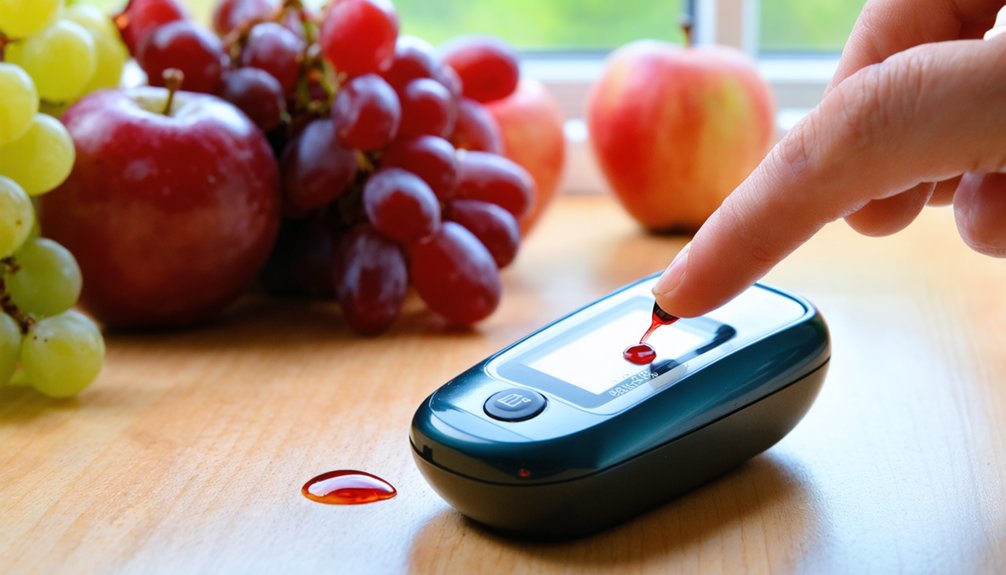
Home blood glucose testing is an essential practice for individuals managing diabetes, providing them with immediate understanding into their blood sugar levels. Essential equipment includes a glucose meter, test strips, and a lancet device. Proper preparation involves verifying the meter’s date and time, washing hands, and ensuring all materials are accessible. Following established testing protocols enhances accuracy. Users should insert a test strip into the meter before pricking a fingertip with the lancet to obtain a blood sample. Blood sugar should be checked if having symptoms of low blood sugar to help prevent complications. Regular monitoring is vital for detecting patterns in blood sugar levels and adjusting diabetes care accordingly. Prolonged hyperglycemia can lead to complications that make accurate readings critical. Equipment maintenance is essential; store test strips properly, keep them dry, and replace any damaged or outdated supplies.
Continuous Glucose Monitoring Technology Explained
Blood sugar monitoring has evolved substantially with the introduction of Continuous Glucose Monitoring (CGM) technology, providing a more exhaustive alternative to traditional home blood glucose testing. CGMs consist of three key components: a sensor, a transmitter, and a monitor. The sensor, a wearable device inserted under the skin, measures glucose levels in the interstitial fluid, offering real-time data updates every five minutes. This innovative sensor technology allows users to track fluctuations around the clock, eliminating the need for frequent finger pricks. Data transmission to smartphones or dedicated receivers enhances accessibility, enabling immediate perspectives and remote support from healthcare professionals. With CGMs, individuals can enjoy a seamless and enabling diabetes management experience customized to their needs. Continuous glucose monitoring has been shown to improve A1C, reduce hypoglycemia, and increase time in target glucose range.
Long-Term Blood Sugar Assessment With Hba1c
A thorough understanding of long-term blood sugar control is essential for effective diabetes management, and the HbA1c test serves as a critical tool in this regard, providing an exhaustive understanding.
HbA1c testing measures the percentage of glycated hemoglobin, reflecting average blood glucose over the past 2-3 months.
With a lifespan of approximately 120 days, red blood cells provide reliable perspectives into chronic glycemic control.
The American Diabetes Association recommends maintaining an HbA1c level below 6.5% for ideal health.
Regular testing, usually every 3-6 months, enables individuals and healthcare teams to monitor progress and make informed decisions.
Factors Influencing Monitoring Frequency and Accuracy
Effective blood sugar monitoring is influenced by an array of factors that dictate both frequency and accuracy of testing. Clinical considerations, such as the type of diabetes and insulin regimen, substantially shape monitoring needs.
For example, individuals on multiple insulin injections are advised to test at least three times daily. Patient compliance also plays a vital role; an individual’s willingness to monitor impacts the recommended frequency.
Age and health status further refine these decisions, with older patients possibly requiring more thorough oversight. Other external factors, including diet, medications, and physical activity, also contribute to blood sugar variability and monitoring accuracy.
Advantages and Limitations of Various Monitoring Methods
Various methods for blood sugar monitoring each present distinct advantages and limitations that impact their utility for individuals managing diabetes.
Traditional finger-prick testing is the gold standard, yet it is time-consuming and can be uncomfortable due to frequent pokes.
Continuous Glucose Monitoring (CGM) offers real-time readings and alerts for glucose variability but is often costly and may demand traditional confirmatory tests for accuracy.
Flash glucose monitoring substantially reduces measurement time, enhancing patient comfort with devices like FreeStyle Libre 3 Plus, though it may require an investment.
Finally, alternative site monitoring eases pain but may not deliver precise readings during rapid glucose fluctuations, making it less suitable for critical management.
Monitoring innovations help tailor blood sugar oversight to individual needs and lifestyles.
Tips for Effective Blood Sugar Management Across All Ages
As individuals traverse the complexities of blood sugar management, implementing strategies that cater to all age groups becomes essential for maintaining healthy glucose levels.
Emphasizing balanced dietary choices, incorporating high-fiber foods, and limiting refined carbohydrates can substantially aid in blood testing accuracy.
Additionally, individuals should focus on consistent sugar tracking by enjoying smaller, more frequent meals, which helps prevent dramatic fluctuations.
Engaging in at least 30 minutes of physical activity daily enhances insulin sensitivity and promotes better glucose utilization.
Staying hydrated and prioritizing quality sleep further supports blood sugar control.
Moreover, even minor weight loss can yield considerable benefits, reinforcing the importance of monitoring and adapting lifestyle habits customized to age and individual needs for ideal health.
References
- https://www.mayoclinic.org/diseases-conditions/diabetes/in-depth/blood-sugar/art-20046628
- https://www.ncbi.nlm.nih.gov/books/NBK248/
- https://www.ncbi.nlm.nih.gov/books/NBK555976/
- https://www.knowdiabetes.org.uk/know-more/your-blood/blood-glucose/different-ways-to-monitor-blood-sugar-levels/
- https://my.clevelandclinic.org/health/treatments/17956-blood-sugar-monitoring
- https://www.cdc.gov/diabetes/diabetes-testing/monitoring-blood-sugar.html
- https://www.bswhealth.com/blog/eight-ways-to-monitor-your-blood-sugar
- https://www.fda.gov/medical-devices/in-vitro-diagnostics/blood-glucose-monitoring-devices
- https://www.healthdirect.gov.au/diabetes-testing-and-monitoring
- https://www.nutrisense.io/blog/blood-sugar-level-charts